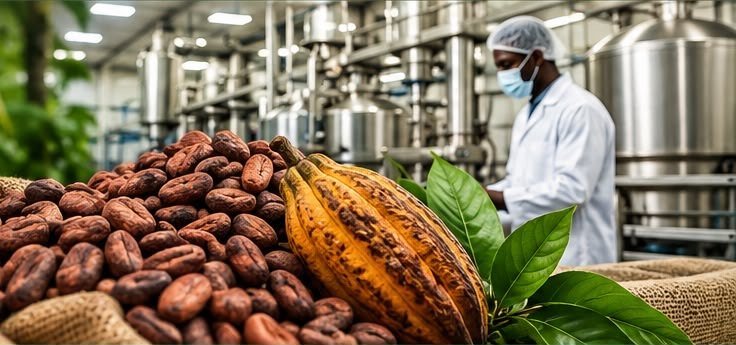
Most people know cocoa as chocolate. Far fewer know the industrial journey in between, which is where most of the value in the cocoa economy is created.
1. Sourcing and post-harvest
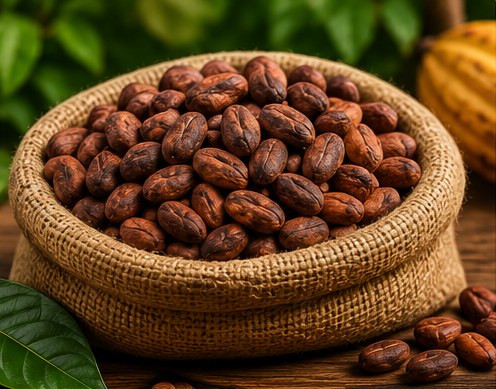
Cocoa pods are harvested, opened and the wet beans fermented for several days, which is critical for flavour, then dried. Good post-harvest handling on the farm determines much of the final quality.
2. Cleaning and roasting
At the processing facility, beans are cleaned of foreign matter and graded, then roasted under controlled conditions to develop flavour and colour.
3. Winnowing
The roasted beans are cracked and the shells separated, leaving cocoa nibs, the valuable core of the bean.
4. Grinding into cocoa liquor
Nibs are ground into a smooth paste called cocoa liquor (or cocoa mass). It contains no alcohol; the name refers to its liquid state when warm. Liquor is a core ingredient in chocolate.
5. Pressing: butter and cake
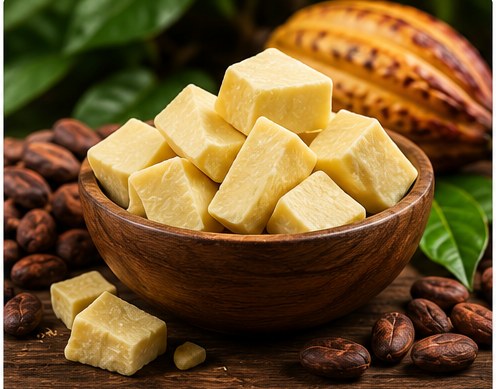
Liquor is pressed to separate the fat, cocoa butter, from the solids, which form cocoa cake. Cocoa butter is prized in chocolate, cosmetics and pharmaceuticals.
6. Milling into powder
Cocoa cake is broken and milled into cocoa powder, used in beverages, bakery and dairy. It may be alkalised to adjust colour and flavour.
Every step after the farm gate is an opportunity to add value in Africa, or to give it away.
Why this matters
When cocoa is exported as raw beans, every one of these value-adding steps happens elsewhere. Building processing capacity at home keeps that value, and the jobs, skills and export revenue that come with it, in the country where the cocoa was grown. That is the opportunity UKG Agro Industries Ltd is built to capture.